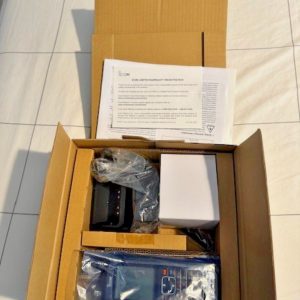
:::writingvariant="document" id="58314" ICOM IC-A25N Handheld NAV/COM Transceiver w/ Bluetooth – Open Box: Reliable NAV/COM Performance The ICOM IC-A25N Handheld NAV/COM Transceiver w/ Bluetooth – Open Box is a versatile communication and navigation device for pilots, flight instructors, aircraft operators, aviation students, and ground personnel who require dependable portable radio capability. An open-box ICOM transceiver can be attractive to buyers who want dependable features while reducing the cost of purchasing professional aviation equipment. An ICOM IC-A25N Handheld NAV can support pilots who need a portable radio for cockpit backup, preflight monitoring, flight training, and general aviation communication. A capable ICOM IC-A25N Aviation Radio can provide additional confidence during flights, training activities, maintenance events, and ground operations. The compact ICOM IC-A25N Handheld Radio may be especially useful for pilots who operate multiple aircraft or frequently travel between airports and training locations. A capable Handheld NAV/COM Aviation Transceiver provides pilots with an integrated solution that can be stored conveniently and accessed quickly. Whether the device will function as a Handheld Aviation Radio, Aviation NAV/COM Radio, Pilot Handheld Radio, or Aircraft Communication Radio, users should become familiar with its controls before relying on it. As an Aviation Communication Device, the radio can provide portable support for cockpit, training, emergency, and ground environments.
Understanding the ICOM IC-A25N Handheld NAV/COM Transceiver
The radio’s portable construction allows it to support aircraft operations before departure, during flight, after landing, or while personnel are working around the airport. A handheld NAV/COM platform can serve as primary portable equipment in suitable operations or as supplementary equipment alongside panel avionics. A handheld radio can provide valuable support, but performance may depend on antenna position, aircraft structure, terrain, distance, interference, battery condition, and operating environment. Pilots should test the radio during routine conditions and become familiar with its operation before expecting to use it during an urgent situation.Benefits of the ICOM IC-A25N Handheld NAV
An ICOM IC-A25N Handheld NAV may help pilots monitor frequencies, organize flight-related information, and maintain portable communication capability. Aircraft owners may keep the radio available when maintenance temporarily removes power from installed communication equipment. Pilots should verify information using suitable aviation references and avoid relying on one portable device for every navigation decision. Responsible operation includes checking settings, frequency steps, stored information, battery capacity, antenna security, and any paired accessories before departure.Choosing an ICOM IC-A25N Aviation Radio
Aviation professionals can carry the IC-A25N when moving between aircraft instead of depending entirely on equipment installed in one cockpit. Maintenance providers may monitor aviation activity while working outside the aircraft or coordinating ground movements. The seller should identify any missing accessories, cosmetic marks, opened packaging, previous testing, warranty status, or differences from a factory-sealed package. Testing should occur in a lawful and appropriate manner without creating unauthorized transmissions or interfering with aviation communications.Portable Benefits of the ICOM IC-A25N Handheld Radio
Portable operation can be valuable to users who fly several airplane types or who do not control the installed equipment available in every cockpit. The antenna should be protected from bending or crushing while the radio is transported with other equipment. Portability also allows the radio to be charged and configured away from the aircraft, helping pilots prepare frequencies and settings before entering the cockpit. Aircraft cabins and parked vehicles can reach temperatures that may affect batteries, displays, housings, and electronic components.Choosing a Handheld NAV/COM Aviation Transceiver
A NAV/COM transceiver can support normal operations, training, backup website planning, aircraft delivery, and selected ground activities. The most suitable handheld radio is not necessarily the one with the longest feature list, but the one the pilot can operate confidently and maintain properly. Stored frequencies and settings should be reviewed periodically so outdated information does not create confusion. Any abnormal heat, charging issue, intermittent audio, damaged control, loose connector, or battery swelling should be investigated before further operation.Handheld Aviation Radio for General Aviation
General aviation users may carry a portable radio during training flights, cross-country operations, maintenance, aircraft repositioning, and airport events. The radio can also provide useful redundancy when an installed communication system experiences an unexpected problem. A handheld radio should be evaluated in the aircraft and environment where it will normally be used. Professional radio discipline includes listening carefully, transmitting clearly, using appropriate terminology, and keeping messages relevant.Choosing an Aviation NAV/COM Radio
The combined platform can be useful during training because students can explore aviation radio functions with one portable device. Pilots should avoid changing complex settings when attention is required for aircraft control, traffic awareness, navigation, or communication duties. Pilots should maintain current charts, navigation planning, weather awareness, and suitable avionics for the flight being conducted. Volume and squelch should be adjusted appropriately while avoiding unnecessary distraction.Pilot Handheld Radio for Flight Operations
A portable radio can remain with the pilot when changing aircraft, allowing consistent access to a familiar communication device. The microphone, antenna, cables, headset adapters, and charger should be stored so they do not become tangled or damaged. Regular familiarity helps users recognize abnormal operation, weak batteries, damaged controls, or missing accessories early. Battery condition should be reassessed as the pack ages or shows reduced capacity, charging problems, unusual heat, or physical changes.Aircraft Communication Radio Benefits
An aircraft communication device can support maintenance coordination, ground handling, training activities, and operational monitoring where appropriate. A strong transceiver cannot compensate for poor microphone technique, excessive background noise, incorrect frequency selection, or unclear messages. Buildings and hangar structures can also reduce radio performance during ground use. Maintaining physical and electronic condition supports dependable Aircraft Communication Radio performance.Choosing a Portable Aviation Transceiver
The ability to carry the radio personally helps operators maintain access to familiar controls and stored settings. A protective case can separate the radio from tools, keys, metal objects, liquids, and heavy equipment inside a flight bag. Bluetooth operation should be tested in advance because pairing status, battery condition, compatibility, audio routing, and device settings can influence performance. The radio should remain usable even when a paired device is unavailable or the Bluetooth connection cannot be restored.Maintaining an Aviation Communication Device
A professional handheld radio may serve private pilots differently from flight schools, maintenance shops, airport staff, or commercial operators. Transparent condition information allows the purchaser to judge whether the price reflects the package accurately. Users should report intermittent operation, damaged accessories, weak batteries, charging concerns, or missing components promptly. A well-managed Aviation Communication Device can support efficient and dependable operations across many aviation roles.Handheld Aircraft Radio Applications
The device may also support pilots at airports where communication must begin before the aircraft electrical system is activated. The radio provides practical value wherever access to aviation communication is useful away from a powered instrument panel. The unit must remain accessible without forcing the pilot to look away from primary responsibilities for an extended period. The radio should be cleaned only with suitable methods that do not damage the display, housing, seals, labels, or controls.Aviation Navigation Radio Applications
An Aviation Navigation Radio can support pilot situational awareness by providing portable access to compatible navigation-related functions and information. Competent use comes from practice, realistic expectations, and integration with established navigation procedures. Portable functions are most useful when they complement rather than replace disciplined aviation decision-making. Careful preparation allows an Aviation Navigation Radio to provide practical value without increasing cockpit workload unnecessarily.Using an ICOM Pilot Radio
An ICOM Pilot Radio can appeal to aviation users who value an established communications manufacturer, aviation-focused controls, portable construction, and practical accessory support. Brand reputation should be considered alongside the condition and completeness of the specific unit being purchased. Aviation students may prioritize ease of learning, while experienced pilots may focus on backup capability, portability, and integration. Pilots should record serial information, purchase details, accessory inventory, battery condition, and any warranty documentation.Emergency Aviation Radio Preparedness
An Emergency Aviation Radio can provide an additional communication option when installed aircraft equipment becomes unavailable because of electrical, equipment, or operational problems. Users should practice essential operation under calm conditions so frequency entry and audio adjustment remain manageable under stress. Pilots should evaluate whether the radio can be heard clearly in the noise environment of their aircraft. Battery packs should be replaced when capacity declines, physical damage appears, charging becomes unreliable, or the manufacturer’s guidance indicates replacement.Using a Backup Aircraft Radio
A portable radio may also support communication when an aircraft is on the ground with its electrical system disconnected or undergoing avionics maintenance. Pilots should confirm charge status, antenna attachment, audio output, Bluetooth pairing, memory organization, and accessibility. Each audio method should be tested in advance under realistic cockpit noise conditions. With thoughtful preparation, a Backup Aircraft Radio can provide valuable confidence without creating unnecessary cockpit complexity.Evaluating an Open-Box Aviation Radio
Connectors and charging contacts should appear clean, straight, secure, and free from corrosion or contamination. The package should be compared with the seller’s inventory to confirm the radio, battery, antenna, charger, adapters, clip, documentation, packaging, and other included accessories. Battery behavior should be observed for unusual heat, rapid discharge, charging failure, physical swelling, or poor connection. The buyer should inspect the radio promptly after delivery and report any missing items, damage, or functional concerns according to the agreed terms.Routine Care for a Handheld Aviation Radio
The radio should be inspected according to usage frequency, storage duration, operating environment, and the importance of its backup role. Occasional-use radios should still receive periodic checks because batteries and electronic components can deteriorate during inactivity.- Review the complete package and remove the radio from backup service if physical or electronic condition is uncertain.
- Review essential controls on the ground so the radio can be operated confidently without unnecessary cockpit distraction.
- Use a protective case or dedicated flight-bag compartment so the radio remains accessible, complete, and free from damage.